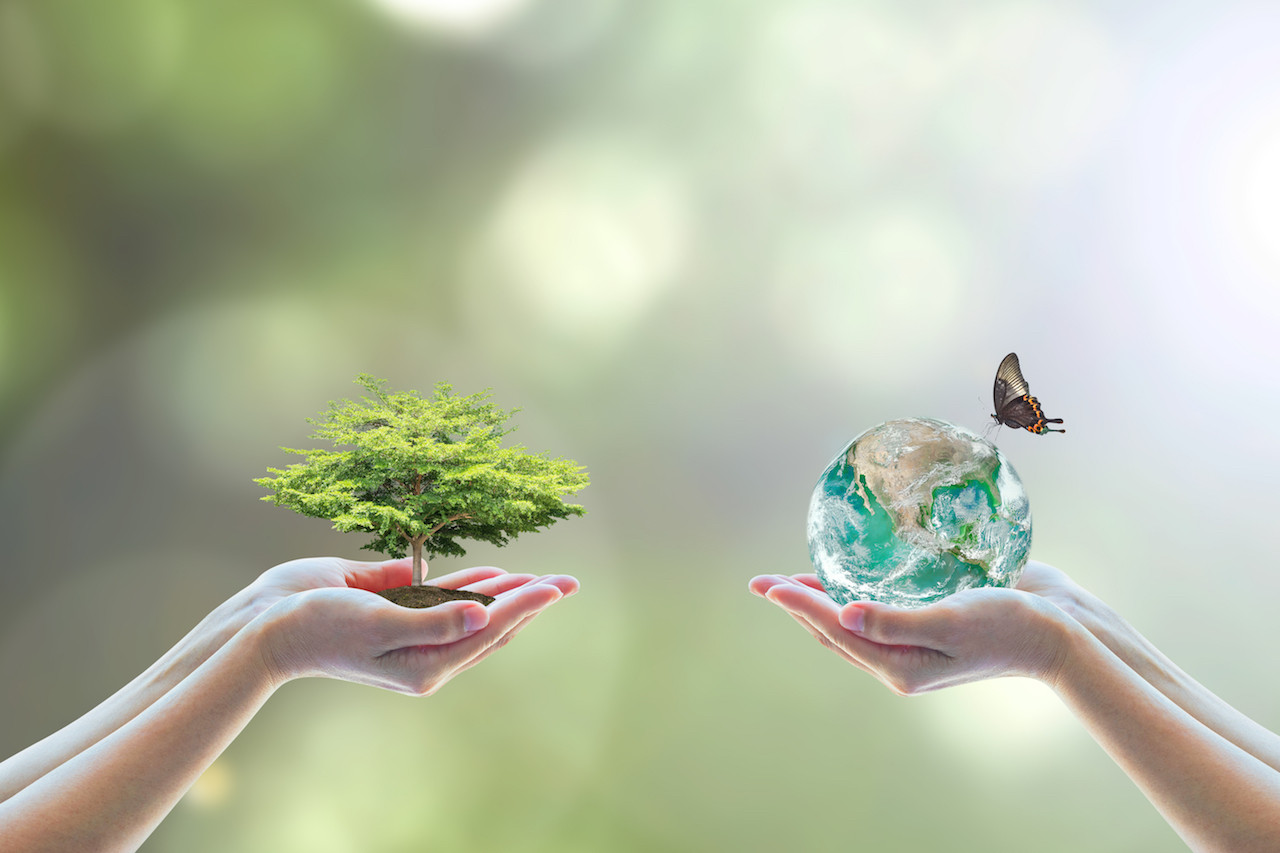
The relationship between the environment and human wellbeing is deeply interconnected, shaping not only physical health but also emotional stability, productivity, and overall quality of life. From the air we breathe to the spaces we inhabit, environmental conditions influence every aspect of human existence. Modern research increasingly emphasizes that a healthy environment is not a luxury but a necessity for sustainable living and long term wellbeing.
The Foundation of Human Health
Human wellbeing begins with basic environmental factors such as clean air, safe water, and fertile land. These elements are essential for survival, but their importance goes far beyond mere existence. Ecosystems naturally filter air pollutants, regulate temperatures, and provide resources that support life. Studies show that environmental services such as air filtration and climate regulation contribute significantly to respiratory and cardiovascular health while reducing disease risks.
When these systems are disrupted through pollution or climate change, the consequences are immediate and far reaching. Poor air quality, contaminated water, and degraded ecosystems can lead to chronic illnesses, reduced life expectancy, and increased healthcare burdens. This highlights how environmental health directly translates into human health.
Nature and Mental Wellbeing
Beyond physical health, the environment plays a crucial role in mental and emotional wellbeing. Exposure to natural surroundings has been linked to reduced stress, improved mood, and enhanced cognitive function. Green spaces, forests, and water bodies create opportunities for relaxation, social interaction, and physical activity, all of which contribute to psychological balance.
In urban settings, access to parks and natural environments can significantly improve quality of life. As cities expand, integrating nature into urban planning becomes essential to maintain mental wellbeing. This is reflected in urban Australia trends, where planners increasingly prioritize green infrastructure and sustainable living spaces to support healthier communities.
Environmental Degradation and Health Risks
While the environment supports human wellbeing, its degradation poses serious risks. Pollution, deforestation, and climate change disrupt ecosystems and reduce their ability to provide essential services. Environmental damage has been linked to respiratory diseases, cardiovascular conditions, and the spread of infectious diseases.
Climate change, in particular, introduces extreme weather events such as heatwaves, floods, and droughts. These events not only threaten physical safety but also create long term health challenges, including food insecurity and mental stress. Addressing these risks requires a balance between development and environmental preservation.
The Role of Lifestyle and Urban Living
Modern lifestyles often distance people from nature, especially in densely populated cities. However, the environment continues to shape daily experiences. Workplace conditions, housing quality, and access to recreational spaces all influence wellbeing.
For instance, discussions around best Australian companies to work for often include workplace environment as a key factor, highlighting how lighting, air quality, and design impact employee productivity and satisfaction. A supportive environment fosters better mental health, creativity, and engagement.
Similarly, urban life offers both opportunities and challenges. While cities provide access to healthcare, education, and entertainment, they also expose individuals to noise, pollution, and overcrowding. Maintaining a balance between urban convenience and environmental quality is essential for sustainable wellbeing.
Social and Cultural Connections
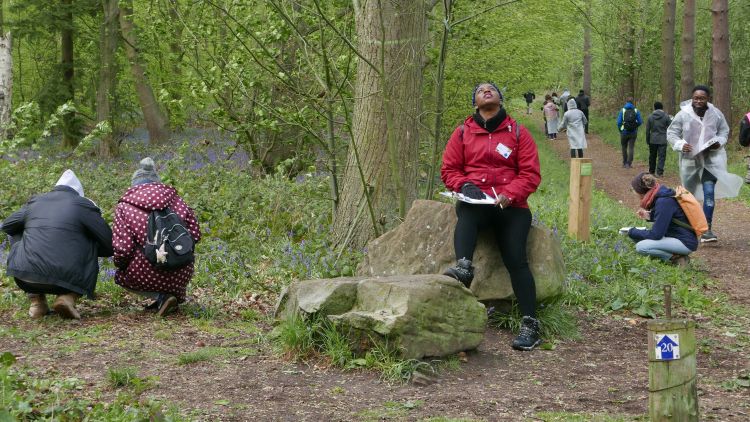
The environment also shapes social and cultural experiences. Public spaces, recreational areas, and community environments influence how people interact and build relationships. Activities such as exploring parks, beaches, and cultural hubs contribute to both physical and social wellbeing.
In this context, lifestyle discussions often include things to do in Sydney, reflecting how access to vibrant outdoor and cultural environments enhances quality of life. These experiences not only promote physical activity but also strengthen community bonds and emotional resilience.
Media and information also play a role in shaping environmental awareness. Coverage like Melbourne entertainment news often highlights events, festivals, and cultural activities that encourage people to engage with their surroundings, reinforcing the connection between environment and wellbeing.
Environmental Awareness and Behavioral Change
Understanding the link between environment and wellbeing encourages individuals and communities to adopt healthier behaviors. Sustainable practices such as reducing waste, conserving energy, and supporting eco friendly initiatives contribute to both environmental preservation and personal wellbeing.
The growing focus on sustainability is evident in Australia trending topics today, where discussions increasingly revolve around climate action, renewable energy, and eco conscious living. These conversations reflect a shift toward recognizing the environment as a key determinant of health and quality of life.
A Holistic Perspective on Wellbeing
Human wellbeing is not limited to the absence of illness but includes physical, mental, and social dimensions. The environment influences all these aspects simultaneously, making it impossible to separate human health from environmental health.
A holistic approach to wellbeing considers how environmental factors interact with lifestyle, social structures, and economic conditions. This perspective encourages policies and practices that promote sustainability, equity, and long term health outcomes.
Conclusion
The link between environment and human wellbeing is both profound and undeniable. A healthy environment supports physical health, nurtures mental stability, and strengthens social connections. At the same time, environmental degradation poses significant risks that can undermine quality of life. As awareness grows, individuals, communities, and governments are recognizing the importance of protecting natural systems. By prioritizing sustainability, integrating nature into urban spaces, and adopting responsible lifestyles, it is possible to create a future where both the environment and human wellbeing thrive together.